Why frequent pool refilling signals a bigger problem
@backyardpoolguide
Every pool loses water. Sun, wind, and splashing all pull moisture into the air, and a small drop in water level after a hot day is normal. But when the hose comes out every few days to top things up, the situation changes. That kind of routine is not just an inconvenience. It points to something systematic, and ignoring it can lead to wasted water, higher bills, and damage that gets worse the longer it is left.
Understanding what drives water loss in a pool is the first step. Evaporation accounts for some of it, but the rate matters. A pool in direct sun might lose a quarter to half an inch per day in summer, depending on humidity and wind. That is normal. Losing an inch or more overnight, or needing to refill twice a week even in mild weather, is not. At that point, the cause is almost certainly a leak somewhere in the structure or the plumbing.
How leaks develop and what they affect
Pool leaks rarely appear all at once. They start small. A hairline crack in the gunite, a loose fitting in the return line, or a worn seal around a light niche can let water escape slowly. The ground around the pool absorbs that water, and over time the soil shifts. That movement can undermine the pool shell, crack the deck, or create voids under the surface. What begins as a few gallons a day can turn into a structural problem that costs far more to fix than the original leak would have.
The water itself is not the only thing leaving. Chemicals leave with it, too. Every time fresh water is added, the pH, alkalinity, and sanitizer levels change. Keeping those balanced becomes a guessing game. The pool may look clear one day and cloudy the next. Algae can take hold more easily when the chemistry swings. Frequent refilling also adds fresh minerals and dissolved solids, which can shorten the life of the pool surface and the equipment.
Signs that a pool has a leak
Not every drop in water level is a leak, but there are clear signs to watch for. A simple bucket test can confirm whether the loss is from evaporation or something else. Fill a bucket with pool water to the same level as the pool surface, set it on a step, and mark both water lines. After 24 hours, compare the two. If the pool lost more water than the bucket, there is a leak. That test is reliable, but it only tells you that a leak exists, not where it is.

Other clues include wet spots in the yard that do not dry, cracks in the pool deck that appear or widen, air bubbles returning to the pool from the jets, or a water bill that climbs without explanation. A drop in water level that stops at the skimmer or a light fixture often points to a leak at that height. If the water keeps dropping below the skimmer, the leak is likely in the plumbing or the shell below the tile line.
The limits of DIY detection
Some leaks are easy to spot. A split in a visible pipe or a gasket that has dried out can be seen and replaced. But many leaks hide behind tile, under the pool deck, or in underground plumbing lines. Pressure testing the lines, using dye to trace cracks in the surface, or inspecting the main drain requires tools and experience. Trying to dig up a line or patch a crack without knowing exactly where the problem is can make things worse. A misdiagnosis leads to unnecessary digging, wasted time, and a leak that keeps running.
That is where a professional pool leak inspection becomes useful. A trained eye uses equipment designed to find leaks without tearing apart the pool or the yard. Electronic listening devices, pressure gauges, and video cameras can locate a leak in the plumbing or the shell with precision. The goal is to fix the actual problem, not guess at it.
What happens when a leak is ignored
Putting off a repair does not make the leak go away. It makes it bigger. Water that escapes into the ground erodes the soil underneath the pool. That can cause the shell to settle unevenly, which leads to cracks in the plaster or fiberglass. In extreme cases, the pool can shift enough to damage the plumbing connections or the coping. The cost of fixing that kind of damage is far higher than the cost of finding and sealing a small leak early.
There is also the water bill. A slow leak can waste thousands of gallons over a season. In areas where water rates are high or where drought restrictions apply, that waste adds up fast. Even if the leak is small, the constant refilling keeps the meter running. The money spent on extra water, chemicals, and energy to heat the refilled water is money that could have been spent on a single repair.
The role of professional inspection
Not every leak is obvious. Some are hidden deep in the plumbing, where a tiny crack in a pipe can let water escape into the ground without leaving any surface trace. Others are in the main drain line or the hydrostatic relief valve, which are hard to reach without specialized tools. A professional pool leak inspection uses methods that go beyond what a bucket test or a visual check can provide. Pressure testing each plumbing line individually can identify which line is leaking. Dye testing can reveal cracks in the shell or around fittings. Thermal imaging can sometimes spot cooler areas where water is escaping.

For homeowners in San Diego, where the climate is dry and water conservation matters, catching a leak early is especially important. A pool that loses water steadily is not just a maintenance headache; it is a drain on resources. Swim Care Pool Services offers specialized leak detection for residential and commercial swimming pools in the area. Their work focuses on finding the exact source of the problem so that repairs can be targeted and effective. That approach saves time, avoids unnecessary damage to the property, and gets the pool back to normal faster than trial-and-error methods.
When to call for a leak inspection
If the bucket test shows a leak, or if the water level drops more than half an inch per day in calm weather, it is time to act. Other triggers include a sudden jump in the water bill, air in the pump basket, or dirt or debris entering the pool through the returns. These signs point to a leak in the suction side of the plumbing, where the pump pulls water from the pool. That kind of leak can pull air into the system, which reduces pump efficiency and can damage the equipment over time.
Even if the leak is on the pressure side, where water leaves the pump and goes back to the pool, the effects are similar. Water escapes, the pump works harder, and the chemistry drifts. The only difference is where the water goes. In either case, a professional inspection can pinpoint the location and recommend the right repair.
Some pool owners worry that a leak inspection means digging up the yard or breaking concrete. That is rarely the case. Modern detection methods are non-invasive. A technician can test the lines from the equipment pad, use a camera to look inside the pipes, and trace leaks in the shell without removing tile or plaster. The goal is to find the leak with minimal disruption. Only after the leak is found does the repair work begin, and that work is often limited to the exact spot that needs attention.
Keeping the pool healthy over the long term
A pool is a system. The water, the surface, the plumbing, and the equipment all work together. A leak is a break in that system, and it affects everything else. Ignoring it because the water loss seems small is a gamble. The leak might stay small for a while, but it can also grow. The ground shifts, the crack widens, and the repair becomes more complex.
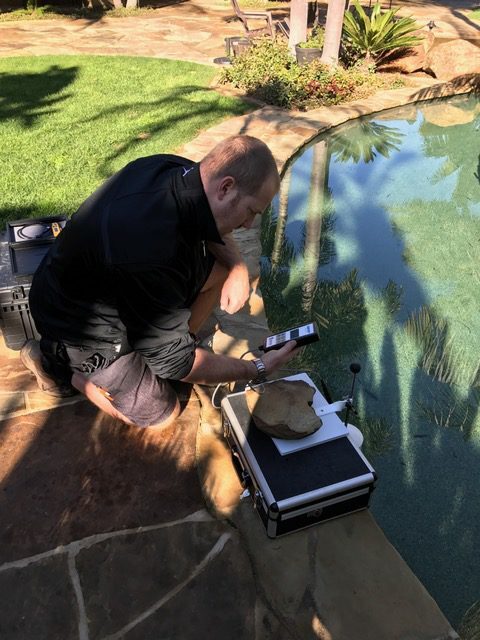
Routine attention to the water level is one of the simplest ways to monitor the pool's health. If the hose has to come out more than once a week during the off-season or more than twice a week in summer, something is off. A professional pool leak inspection can confirm whether a leak exists and, if it does, where it is. That clarity lets the owner decide what to do next, based on facts rather than guesswork.
For pools in San Diego, where the weather is mild and the season is long, a small leak can waste a surprising amount of water over the course of a year. Getting it checked early protects the pool, the yard, and the budget. Swim Care Pool Services provides leak detection that is thorough and precise, helping pool owners address problems before they escalate. That kind of proactive care keeps the pool in good shape and the water where it belongs.